
DESIGNED FOR DIFFERENT CLINICAL NEEDS
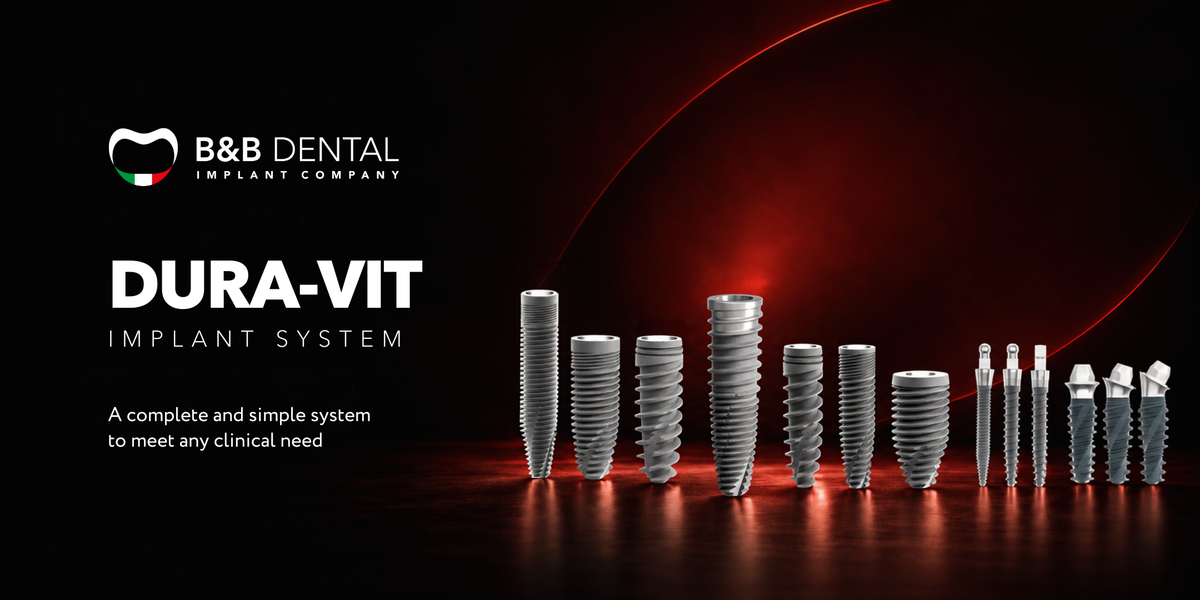
SEVEN LINES. MORE POSSIBILITIES.
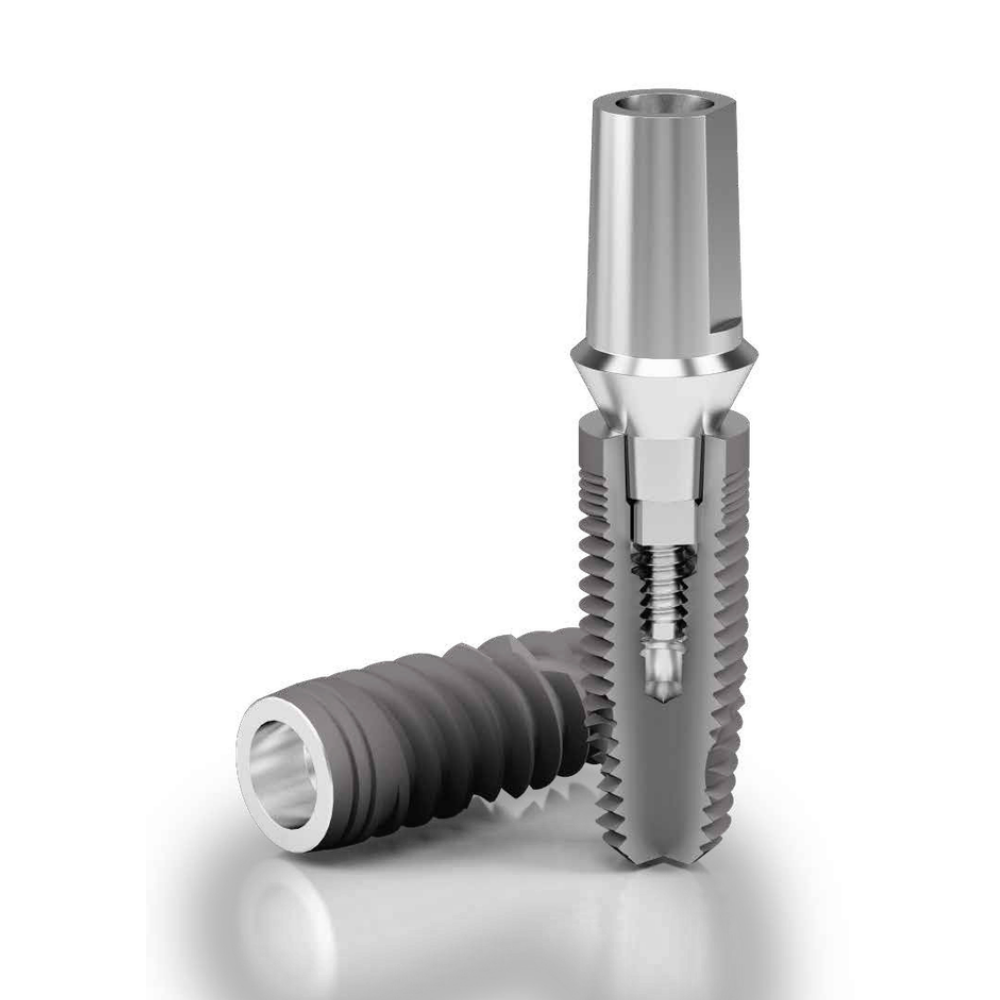
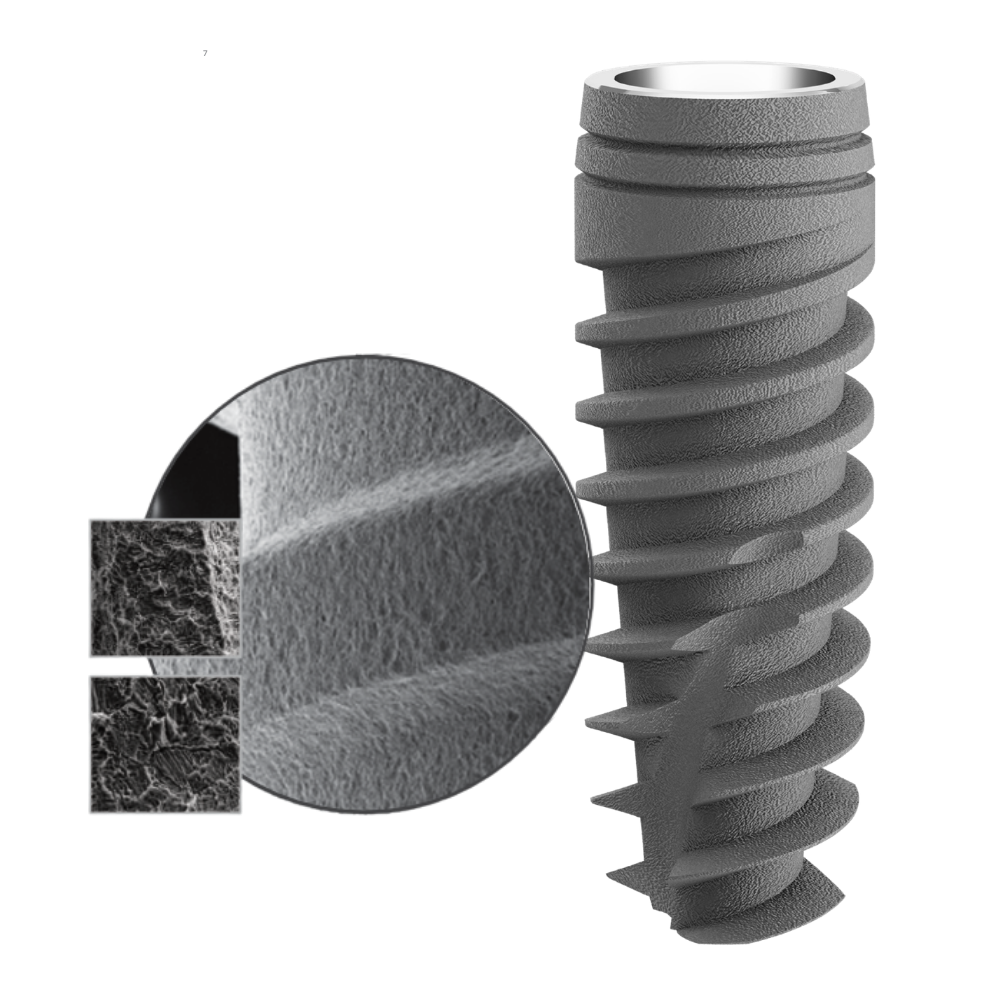
Explore all Dura-vit implant lines, with distinct geometries for different bone conditions, anatomical demands and treatment plans.
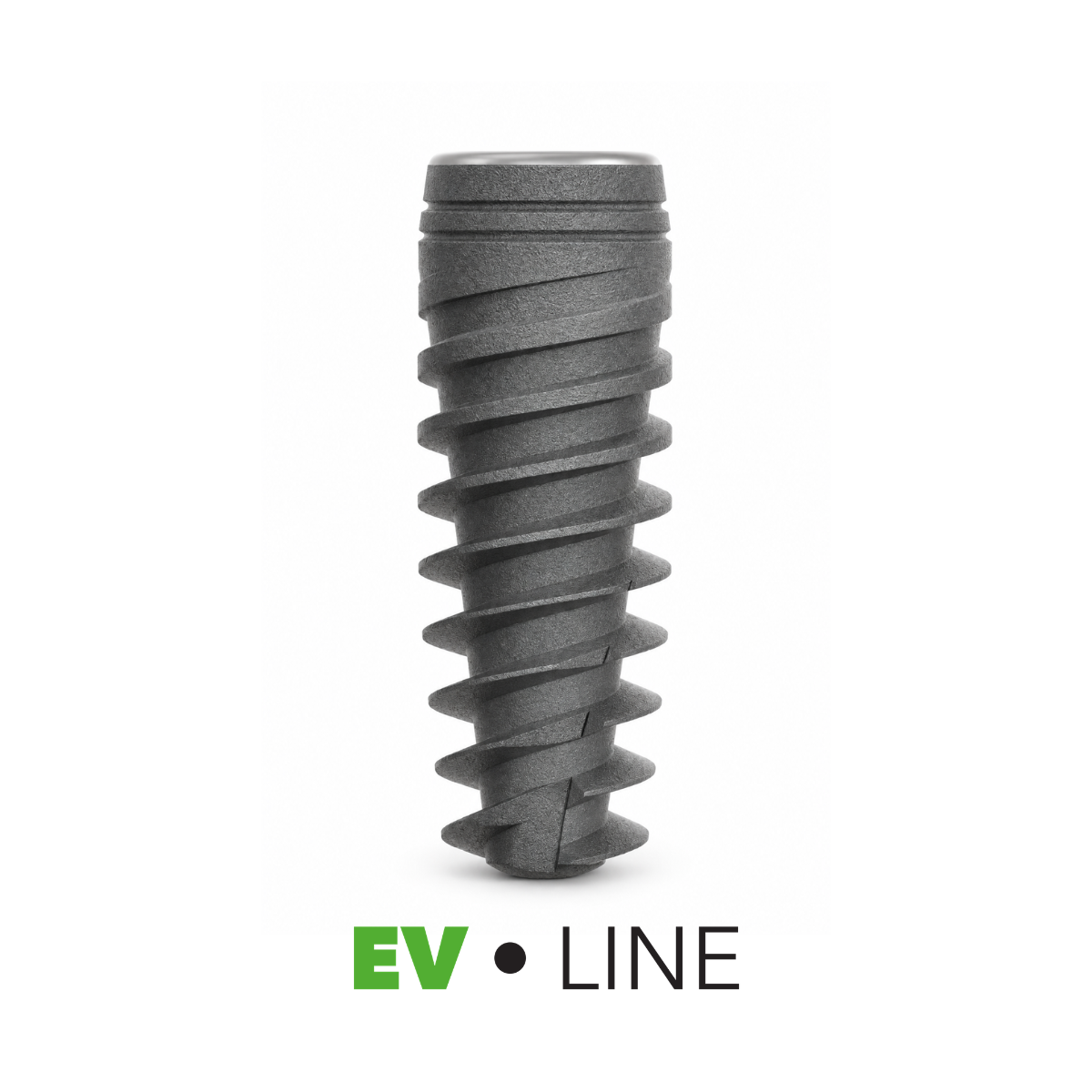
The line with aggressive thread for spongy bone (D3-D4), offering maximum primary stability
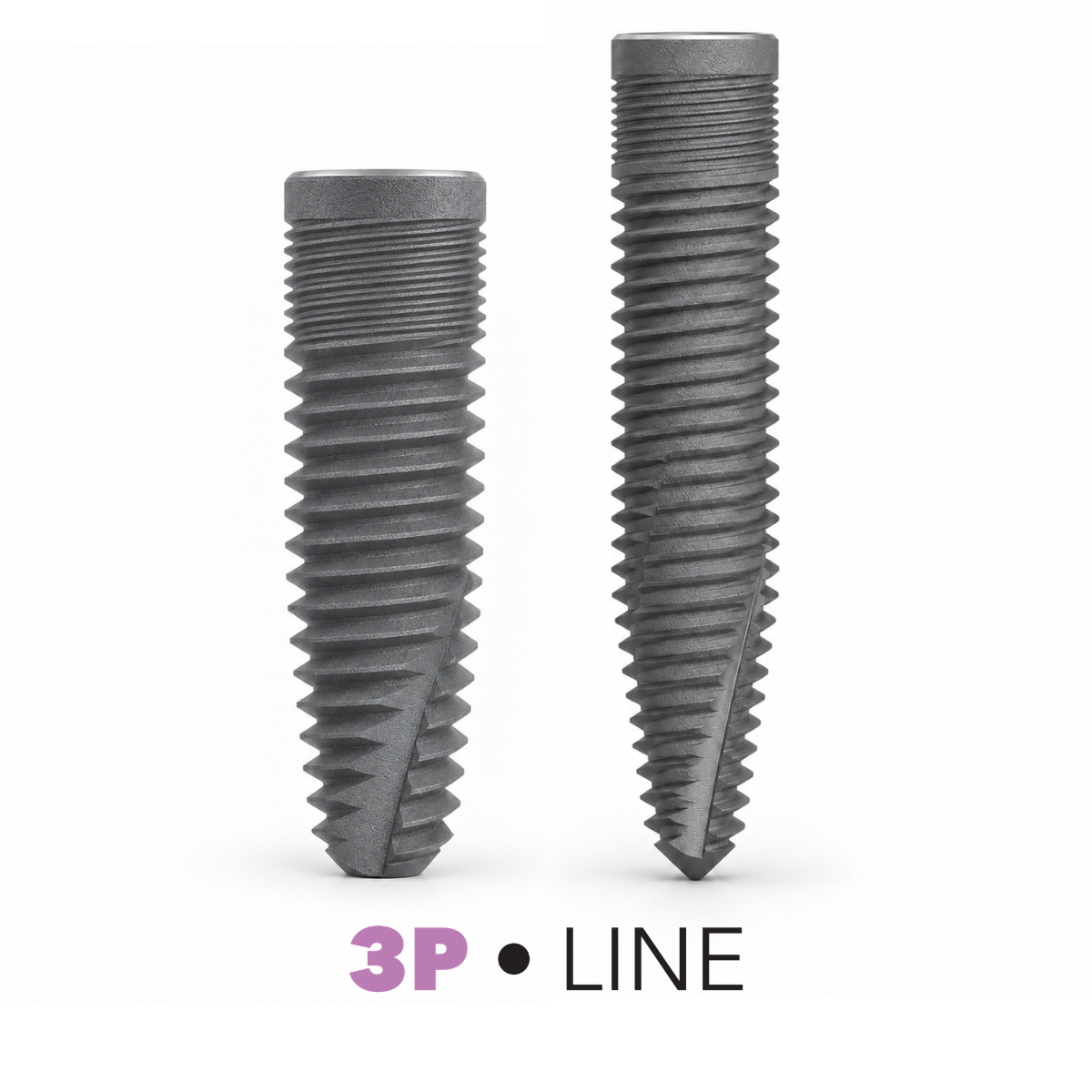
The line with gentle thread suitable for compact bone (D1-D2) and for sites adjacent to maxillary sinus
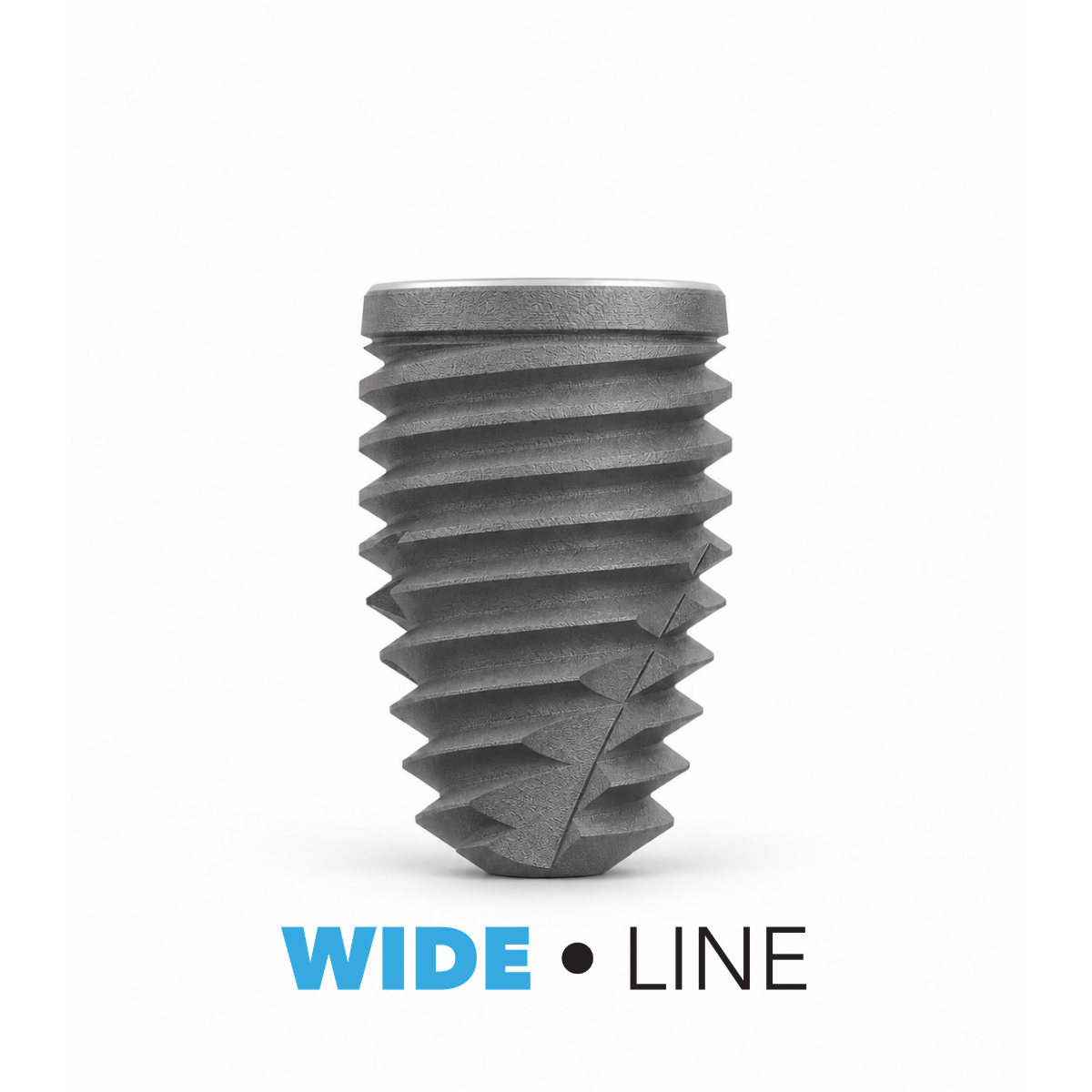
A larger diameter line for post-extraction sites
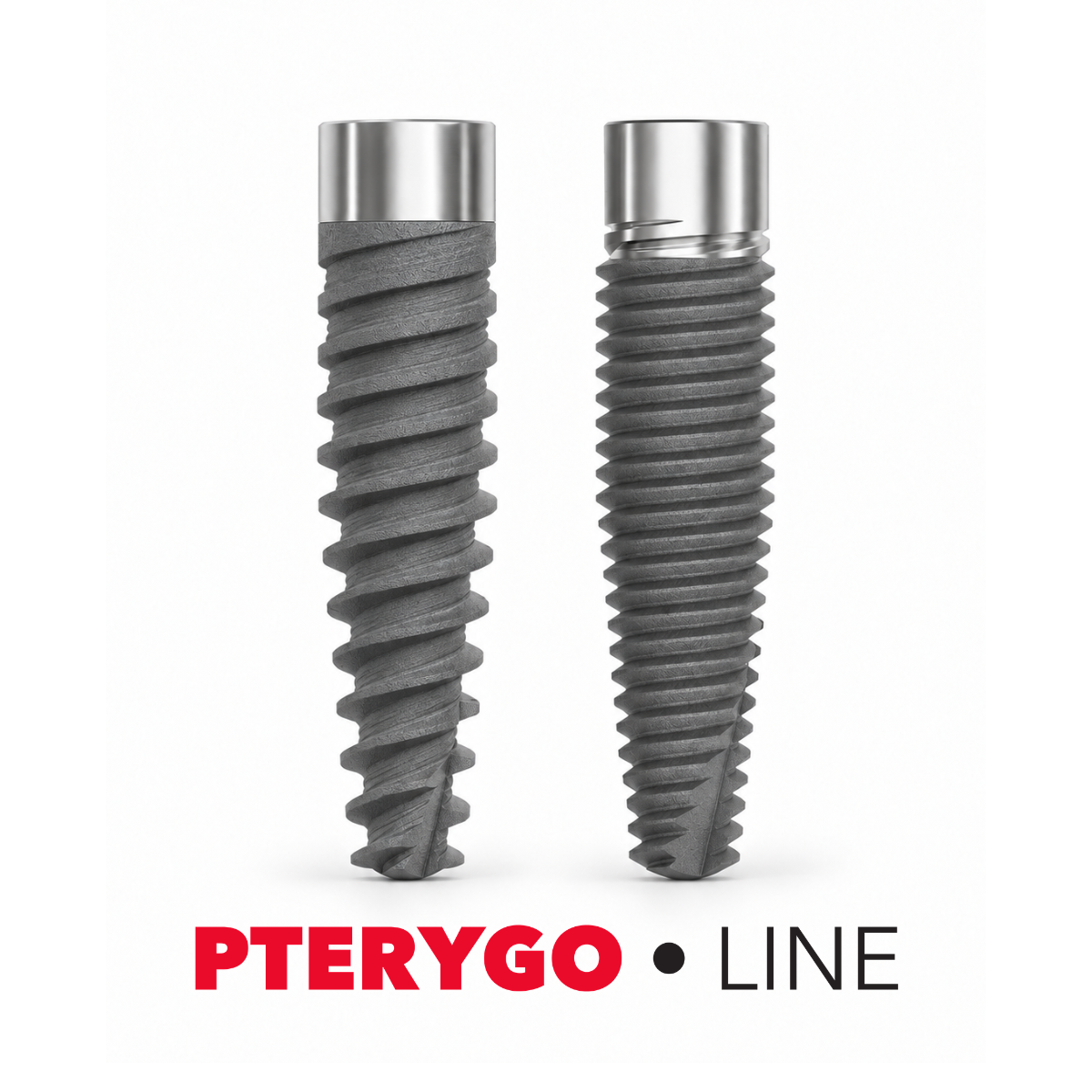
The solution for maxillary atrophy, available in 2 variants: with soft or aggressive thread
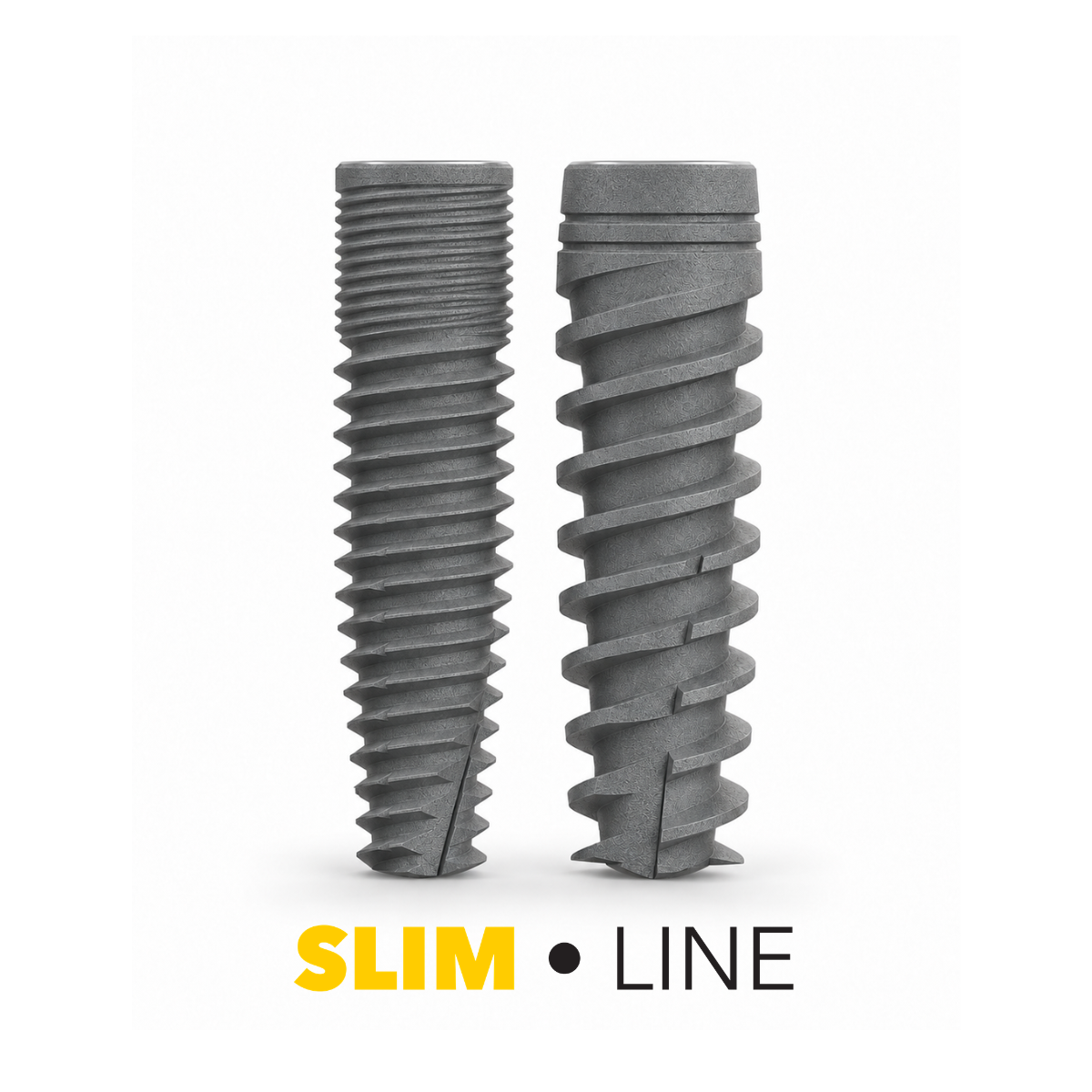
The reduced diameter line for sites with lower bone availability
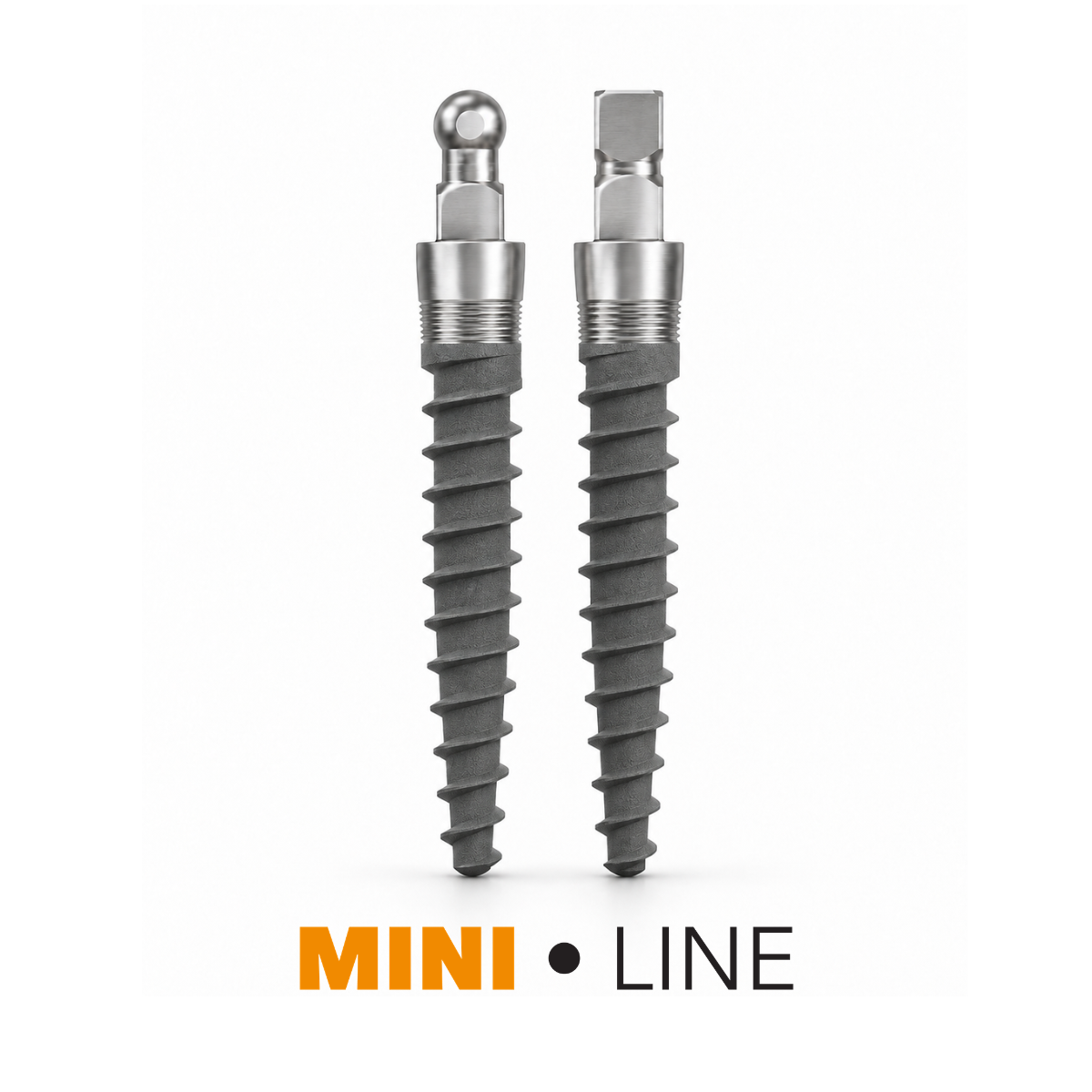
Monophasic implants with reduced diameter to stabilise prostheses and single teeth
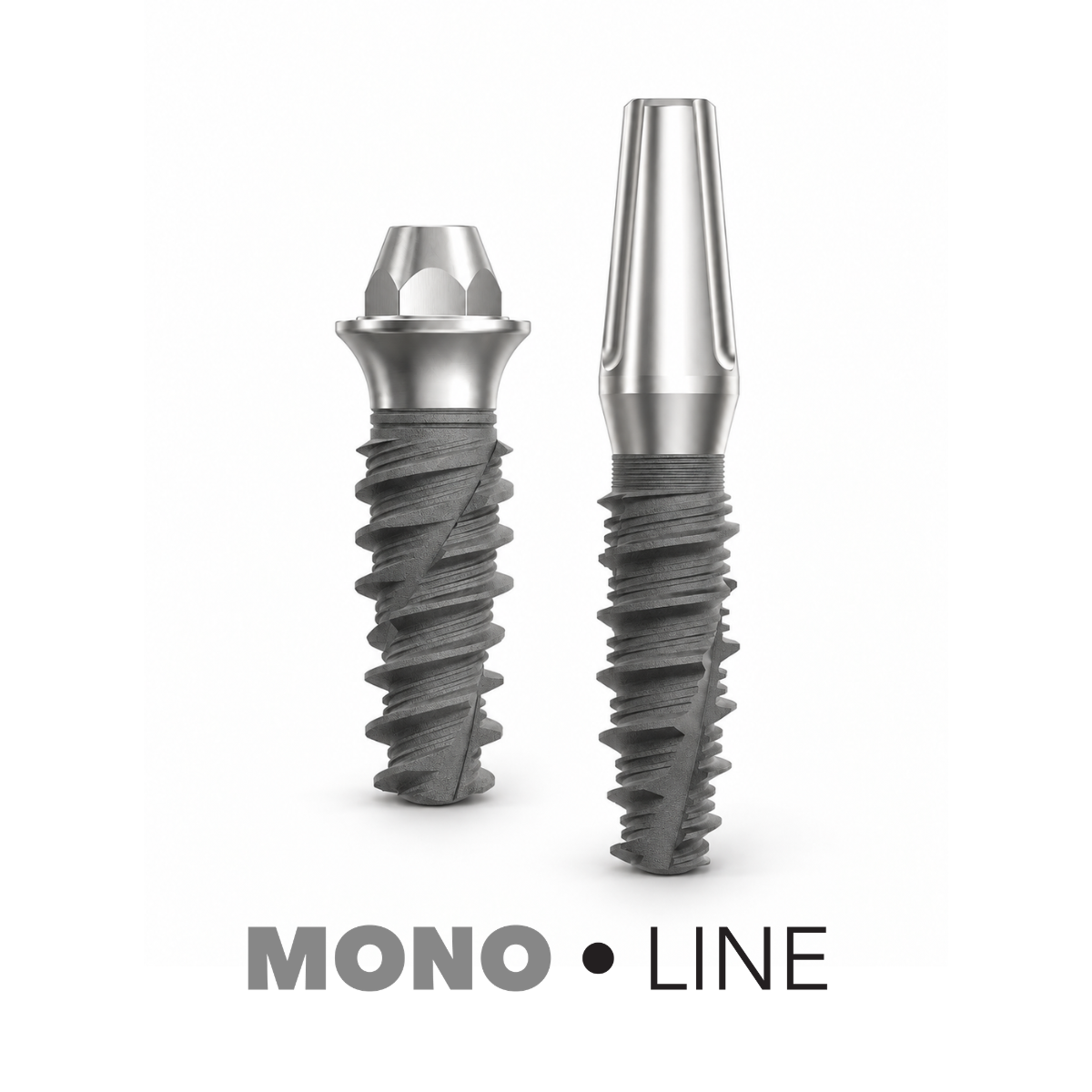
The one-piece MUA line ideal for all-on-4, all-on-6 and post-extraction

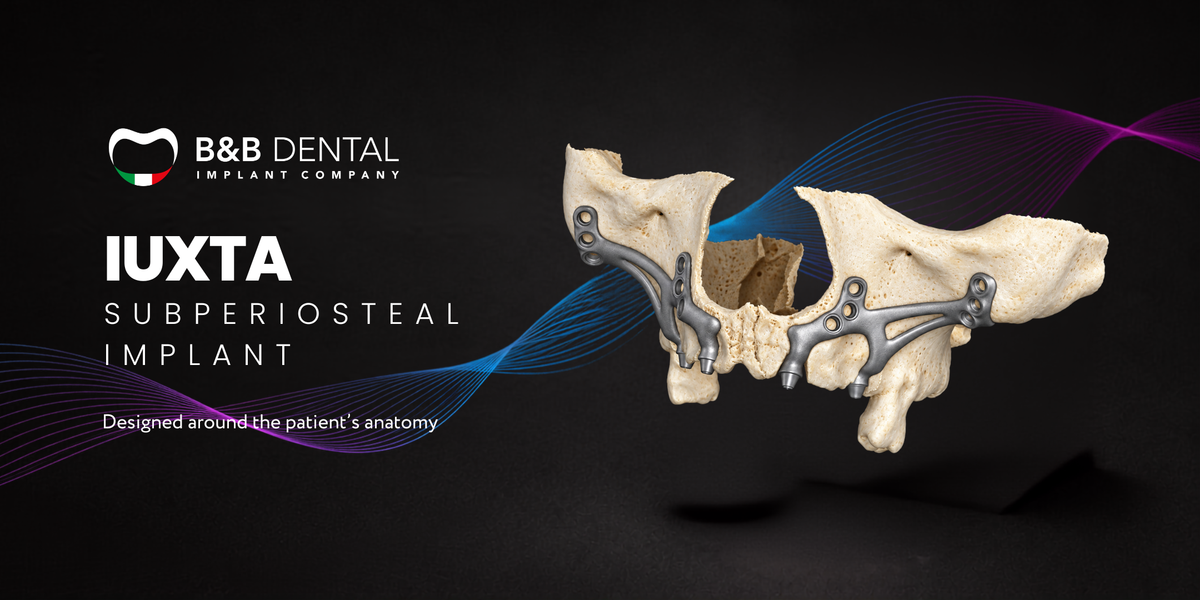
IUXTA SUBPERIOSTEAL IMPLANT
ONE PATIENT · ONE TAILORED DESIGN
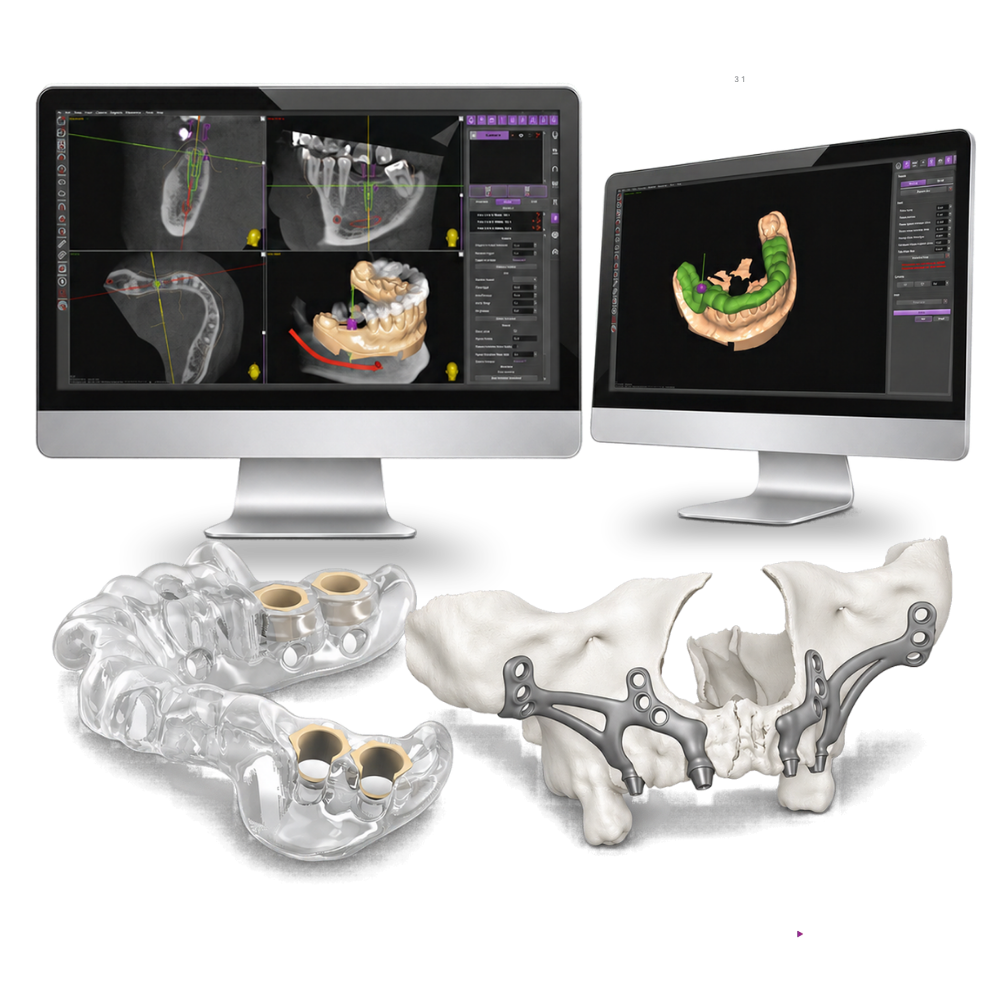
From a single site to a full arch, IUXTA frameworks are digitally designed
around the patient’s bone anatomy and planned prosthesis.
Positioned beneath the periosteum on the bone surface and secured with osteosynthesis screws,
IUXTA offers a customised treatment option for selected patients with
severe bone atrophy where conventional implant placement is not feasible.
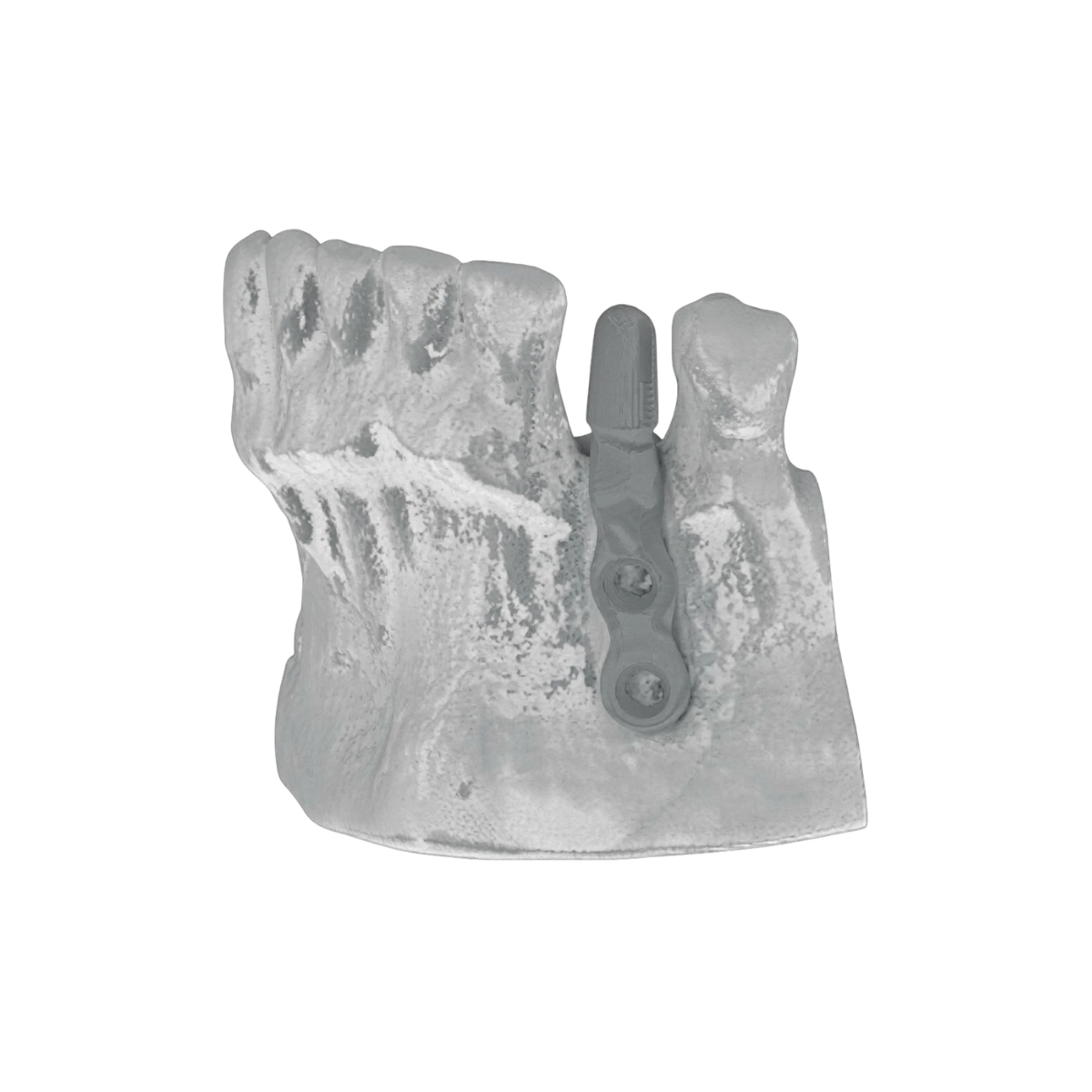
SINGLE ABUTMENT
A FOCUSED SOLUTION
FOR A SINGLE SITE
A compact, patient-specific framework with one prosthetic abutment for a planned single-tooth restoration. Its contour and fixation are designed around the local bone anatomy and available anchorage.
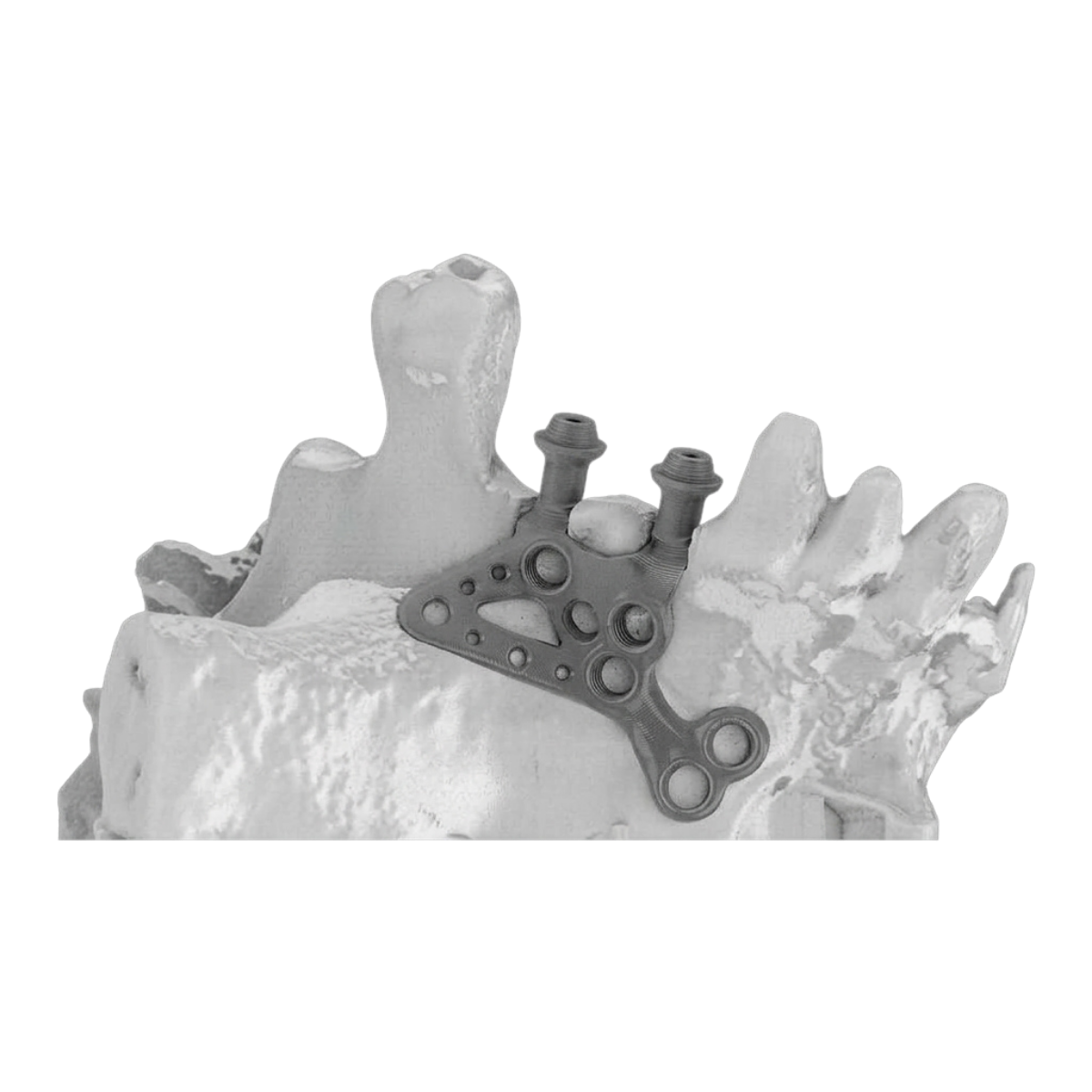
PARTIAL REHABILITATION
SUPPORT ACROSS A
DEFINED SEGMENT
A customised framework with two to three prosthetic abutments for a planned partial restoration. Abutment positions follow the prosthetic plan, while the framework extends to suitable bone for screw fixation.
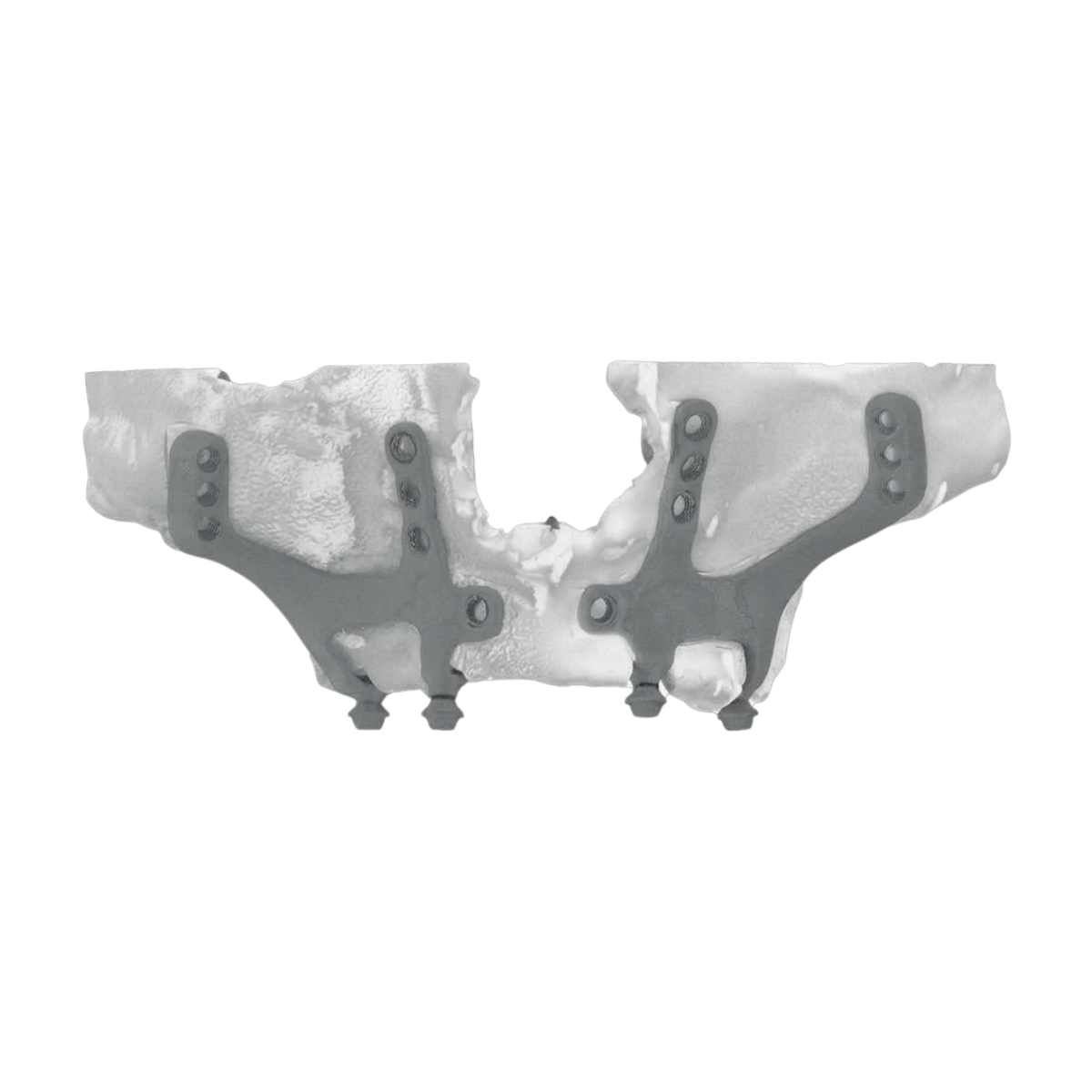
FULL-ARCH REHABILITATION
A COORDINATED DESIGN FOR THE COMPLETE ARCH
A patient-specific framework configuration with four to six prosthetic abutments for a planned full-arch restoration. Framework extent, abutment distribution and fixation sites are determined together from the available anatomy and prosthetic design.
Our Partners